A Brief History of QWERTY
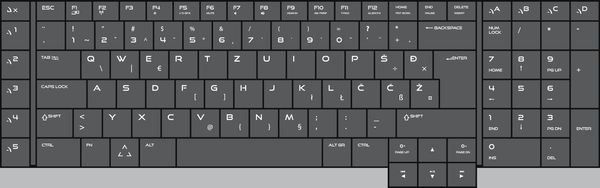
Qwerty is the default layout for most keyboards. But where did qwerty come from?
If you read my previous post, Introducing Shience: What it is and how to use it [https://davidzych.com/introducing-shience-what-it-is-and-how-to-use-it/], you'll know that I was working on a C# port of Github's Scientist [https://github.com/github/scientist] library. It turns out Phil Haack [http://haacked.com/] of Github/Microsoft/
Shience is a .NET library for carefully refactoring critical paths. It is built on .NET Core, currently targets .NET 4.5.1 and DNX Core 5.0, and is available on Github [https://github.com/davezych/shience] and Nuget [https://www.nuget.org/packages/shience/]. Keep in mind that it's
Let's Encrypt entered public beta recently. What is Let's Encrypt [https://letsencrypt.org/]? > Let’s Encrypt is a free, automated, and open certificate authority (CA), run for the public’s benefit. Let’s Encrypt is a service provided by the Internet Security Research Group (ISRG). So, basically, free https. Yay!
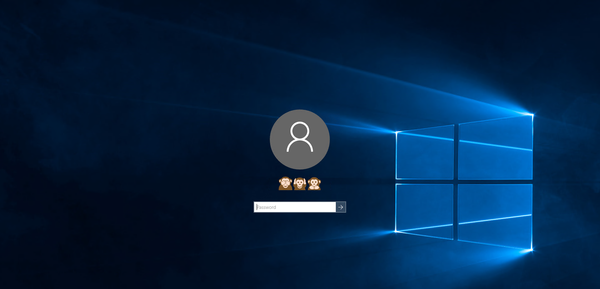
Inspired by this post by Zach Holman [http://zachholman.com/posts/abusing-emoji/], let's see what Windows 10 will allow us to use emoji for. First... some history Unicode Most computer systems today (e.g. Windows, OSX, Android, iOS) use a thing called Unicode to represent text. Since computers work in